How Organic Crib Mattresses Balance Firmness, Materials, and Fit
Choosing a crib mattress can feel like a small decision with an outsized emotional weight. Caregivers want a sleep surface that fits correctly, feels reassuringly firm, and uses materials they understand. Organic labels can add another layer of questions: What is certified? Which parts are covered? And what does a certification actually say about the finished mattress?
Looking closely at construction, measurements, certifications, and care instructions helps turn a crowded set of claims into useful information. The goal is not to find one material that suits every family, but to understand how a crib mattress is made and whether its specifications match the crib, applicable safety guidance, and practical needs at home.
Why firmness and fit deserve attention first
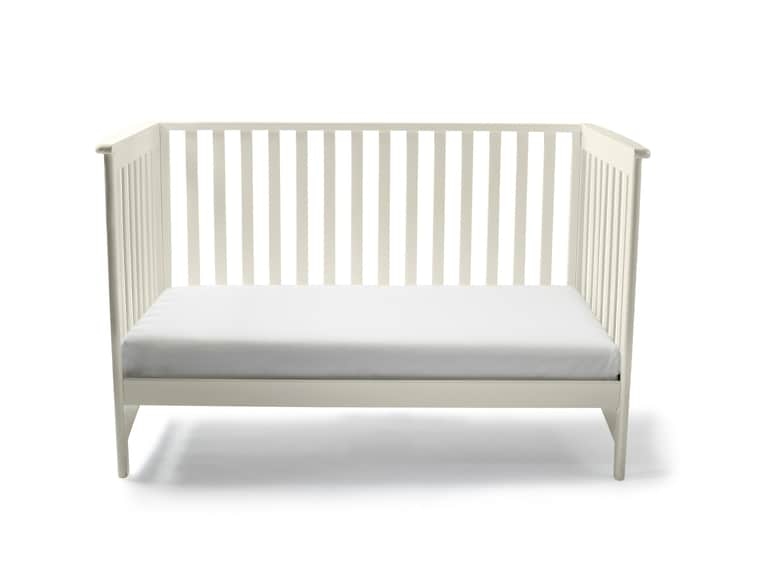
For an infant sleep surface, firmness and fit are not simply comfort preferences. They are central features to verify when assessing a crib mattress. A mattress should be designed for the intended crib and should fit snugly, without meaningful gaps around its edges. A soft, cushioned feel that might be appealing in an adult bed is not the right standard for evaluating an infant mattress.
Use the mattress manufacturer’s measurements and the crib manufacturer’s instructions together. A mattress described as “standard size” still needs to fit the particular crib securely. Crib frames and mattresses can vary, and names such as “full-size crib” do not replace checking actual dimensions. Once installed, follow the crib’s instructions for assessing fit; do not add improvised padding or extra layers to make a loose mattress seem snug.
Firmness is not reliably conveyed by a label such as “supportive” or by a quick press of the hand. Descriptions are most useful when they identify the mattress’s intended use, construction, and compliance with applicable requirements. For current safe-sleep recommendations, consult authoritative public health guidance and the relevant product-safety standards in your location. This article is informational and is not a substitute for that guidance or for a pediatric professional’s advice.
What “organic” can mean in a crib mattress
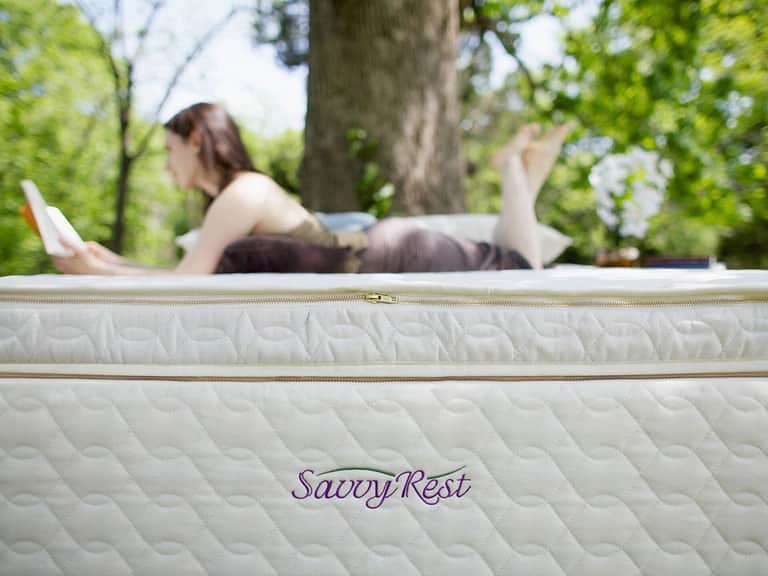
“Organic” may refer to a particular fiber, a component, or a larger portion of the product, depending on the certification and the claim being made. A mattress can combine several materials: a structural core, cushioning or padding, an outer cover, seams, adhesives, and a moisture-resistant surface. These parts may have different origins and may be covered by different standards.
That is why a broad phrase such as “organic crib mattress” should prompt careful reading rather than an assumption that every component is organic. Look for a material breakdown that names the layers and explains which materials are certified. If a product page says “organic cotton,” ask whether that description applies to the cover, the filling, or both. If the construction includes a waterproof barrier, determine what it is made of and whether the manufacturer identifies its composition clearly.
Organic materials can matter to families who prioritize agricultural practices, fiber sourcing, or particular manufacturing choices. But the word alone does not establish that a mattress is safer for every child, more durable, free of all synthetic materials, or better suited to a particular crib. Those conclusions require evidence beyond a single label.
Understanding the core, cover, and waterproofing
The core provides the mattress’s structure. Depending on the design, it may use springs, foam, latex, fiber-based construction, or another system. The cover and any cushioning layers shape the surface and can affect how a mattress is cleaned and maintained. Waterproofing is another distinct feature: some covers resist moisture, while others use a separate protector or have a surface designed for wipe-clean care.
Each approach involves trade-offs. A seamless, wipe-clean surface may simplify cleanup after spills or diaper leaks. A fabric cover may offer a different tactile experience but require specific laundering or spot-cleaning instructions. A removable cover can sound convenient, yet caregivers should verify whether it is meant to be removed, how it should be cleaned, and whether taking it off affects the product’s intended use.
Do not assume that “natural” automatically means washable, waterproof, or low maintenance. Nor does “waterproof” tell you what material creates the barrier. Read the specification sheet and care label, and ask the manufacturer for details when a construction element is unclear. A transparent description is more informative than a string of reassuring adjectives.
How to read organic mattress certifications
Certifications can help make claims more specific, but they are not interchangeable. Some standards concern the organic status of fibers or the way textiles are processed. Others evaluate chemical emissions, restricted substances, or manufacturing practices. A mark may apply to a material, a facility, or a finished product, so the scope matters as much as the logo.
When reviewing a certification, look for four details:
- The exact standard: Identify the program by its full name rather than relying on a general phrase such as “certified organic.”
- What is covered: Check whether certification applies to the cotton, the cover, specific components, or the complete mattress.
- Verification information: Look for a certificate number, certification body, or a way to verify the claim through the organization responsible for the standard.
- What the standard does not say: A certification has a defined scope. It should not be treated as proof of every possible safety, performance, or environmental claim.
For example, a textile certification may speak to fiber content and processing requirements, while a separate program may focus on emissions or chemical restrictions. Neither should be casually presented as a guarantee that a mattress is entirely chemical-free. All physical products are made of materials, and certification language has specific meanings. Clear manufacturers state what is certified and make documentation accessible.
It is also useful to distinguish certifications from regulatory compliance. A product may meet applicable legal requirements without carrying a voluntary certification, and a voluntary certification does not replace compliance with product-safety rules. Check both kinds of information where relevant.
Fit is about the mattress and the crib together
Mattress fit is not something to judge by appearance alone. Confirm the model’s dimensions and compare them with the crib’s specifications before purchase. Pay attention to length, width, thickness, and any limits stated by the crib maker. For a convertible crib, confirm that the mattress is appropriate for the configuration being used and that the crib’s instructions permit it.
Thickness matters for more than bedding. The crib’s design and instructions determine how the mattress should sit in the frame and how the mattress height relates to the sides or rails. Avoid assuming that a thicker mattress is an upgrade. A mattress that is not intended for the crib or that exceeds the manufacturer’s stated limits may create a fit or use problem.
When the mattress arrives, inspect it for damage, unevenness, or a persistent odor that concerns you. Follow the instructions for setup and any stated expansion or airing period. If the dimensions appear inconsistent, the mattress does not sit as expected, or you are uncertain about compatibility, pause before use and contact the crib or mattress manufacturer. Keep the product labels and order information until fit has been confirmed.
Two-stage designs and age-related claims
Some crib mattresses are marketed as two-stage models, with one side intended for an infant and another designed for a later stage. The idea can offer a longer useful life, but caregivers should understand exactly how the product is meant to be used. Read the manufacturer’s instructions for identifying each side, turning or repositioning the mattress, and determining when a transition is appropriate.
A toddler-oriented side should not be used for an infant simply because it feels more comfortable or appears softer. Follow the product instructions and current safe-sleep recommendations. Age or stage labels do not replace the need to use the correct surface and to maintain a snug fit in the crib.
Also consider whether a two-sided design changes the mattress’s thickness or how it fits the crib when flipped. Check the specifications for both orientations and ensure the crib’s instructions allow the configuration. If details are missing, ask the manufacturer rather than relying on an assumption based on product photos or marketing descriptions.
Care instructions are part of the buying decision
Crib mattresses encounter spills, perspiration, and routine household dust, so the care plan should be practical for the caregiver who will use it. A wipe-clean surface may be cleaned differently from a removable textile cover. Some materials are not suitable for machine washing, while others may be damaged by bleach, heat, or strong cleaning products.
Before buying, find the care instructions—not just a statement that the mattress is “easy to clean.” Look for guidance on everyday wiping, drying, laundering, and the use of mattress protectors. If the manufacturer recommends a specific protector, verify that it is compatible and does not interfere with the mattress fit. Avoid adding unauthorized layers or accessories that change the sleep surface or create loose bedding.
Care also includes keeping the mattress dry and using it as directed. If moisture reaches an area that cannot be cleaned or dried according to the manufacturer’s instructions, contact the company for guidance. Do not rely on a product’s organic status as a substitute for routine maintenance.
A practical way to compare options
Side-by-side comparison works best when the same questions are asked of every product. Instead of ranking mattresses by a single headline claim, build a short checklist around intended use, construction, fit, and documentation. This makes it easier to separate verifiable details from persuasive language.
- Intended use: Is the mattress specifically designed for the crib and configuration in question?
- Dimensions: Are exact measurements provided, and do they match the crib manufacturer’s specifications?
- Firmness: Does the product identify its intended infant-use surface and relevant compliance information?
- Materials: Are the core, cover, waterproof layer, and other components described separately?
- Certifications: Is each claim named, verifiable, and clear about the components it covers?
- Care: Are cleaning and drying instructions specific enough to follow?
- Warranty and returns: Are limitations, exclusions, and procedures stated clearly?
A useful example of the difference between a headline and a specification is the Naturepedic Lightweight Organic Cotton Crib Mattress. Its product information describes an approximately 27¼-by-51⅝-inch, six-inch mattress, organic cotton construction, and a waterproof surface, and distinguishes a lightweight option from a two-stage version. Those details provide concrete points to verify against a particular crib and the manufacturer’s complete documentation. They should not be treated as a universal endorsement or a substitute for checking compatibility and current safety information.
Questions worth asking the manufacturer
A product page may not answer every question, especially when it uses broad descriptions such as “natural,” “non-toxic,” or “chemical-free.” A direct question can help clarify what those phrases mean in the context of a specific model. Keep the answers in writing if they affect your decision.
- Which exact components are organic, and which certification verifies that claim?
- What materials are used in the mattress core, cover, seams, and waterproof layer?
- What are the finished mattress dimensions, and what crib specifications does the company recommend checking?
- How should each surface be cleaned, and may any cover or component be removed?
- What does the company mean by “firm,” and where can compliance or testing information be reviewed?
- Are there specific instructions for a two-stage mattress or for use in a convertible crib?
- What are the warranty terms, return conditions, and procedures if the mattress does not fit?
Clear, consistent answers are useful. If information about materials, fit, or care remains vague, consider whether another option provides the documentation you need. The aim is not to interrogate every marketing phrase, but to make sure the product’s real specifications are understandable.
Common misconceptions about organic crib mattresses
“Organic means every part is organic.” Not necessarily. A mattress may combine certified fibers with other materials. Check the scope of the claim and the certificate.
“A natural material is always safer or better.” Material origin alone does not establish suitability, fit, cleanliness, or performance. Evaluate the entire product and follow its intended use instructions.
“A hand press proves the mattress is firm enough.” A quick squeeze is not a substitute for product specifications or relevant safety guidance. Use manufacturer documentation and recognized standards.
“Any standard-size mattress will fit any standard-size crib.” Product labels do not guarantee a precise match. Compare actual dimensions and instructions for both pieces of equipment.
“A waterproof surface needs no care.” Waterproofing can simplify cleanup, but the surface still requires cleaning and drying according to the manufacturer’s directions.
“A certification settles every safety question.” Certifications address defined criteria. They do not replace fit checks, safe use, regulatory information, or the advice of qualified health professionals.
Making a thoughtful choice
The most useful way to assess an organic crib mattress is to consider firmness, fit, materials, certification scope, and care as connected but separate questions. A mattress may have appealing fibers yet still be the wrong dimensions for a crib. A well-fitting model may make broad organic claims without explaining which components are covered. A wipe-clean surface may be convenient, but its cleaning instructions still matter.
Start with the crib’s requirements and current safe-sleep guidance. Then compare exact dimensions, construction details, and the intended infant-use surface. Read certifications as evidence about specific standards—not as blanket guarantees—and make sure the care routine is realistic for your household. If information is unclear, contact the manufacturer before purchase or use.
That steady, detail-by-detail approach keeps the decision grounded. Instead of being swayed by a single label or an especially polished description, caregivers can focus on what a mattress is made of, what it is certified to meet, how it fits, and how it should be maintained.