A Practical Guide to Understanding Latex Mattresses: Types, Benefits, and Care
Explore the essentials of natural latex mattresses, including the key differences between Dunlop and Talalay processes, and how latex compares to memory foam and innerspring. This guide provides practical considerations for firmness, durability, and care to help you make an informed choice.
In a world where sleep quality defines days, the mattress you choose can feel like a personal revelation. Latex mattresses—natural, buoyant, and renowned for durability—offer a distinctive blend of support and comfort that has attracted a loyal following. This article delves into the science, the craft, and the real-world care behind latex beds, while weaving in perspectives from notable figures across time to illuminate how humanity has pursued better sleep.
What is Latex in a Mattress?
Latex in mattresses is a natural material harvested from the sap of rubber trees. It is processed into a comfortable, resilient foam that responds to body weight with buoyant support. Unlike some synthetic foams, latex is often celebrated for its durability, breathability, and the ability to contour without the “sinking” sensation that can plague certain memory foams.
Latex mattresses come in several forms, but the two most common production methods are Dunlop and Talalay. Dunlop latex is typically denser and more uniform, with a straightforward through-and-through density. Talalay latex undergoes a more elaborate manufacturing process, producing a foam with a lighter feel, finer cell structure, and often a more consistent, even plushness across the surface. Both approaches have dedicated enthusiasts, and each offers a slightly different feel depending on the mattress’s overall construction and layering.
Dunlop vs. Talalay: How Production Shapes Feel
Dunlop and Talalay are not just manufacturing footnotes—they define the sleep experience. Dunlop tends to yield a firmer, more supportive core with a consistent feel from top to bottom. This can translate into a stable, supportive base that reduces pressure points, particularly for stomach sleepers or those who want a resilient, long-lasting feel.
Talalay, by contrast, often delivers a softer, more buoyant surface with excellent pressure relief in the upper layers. The texture is typically airier and more responsive, which can feel cradling for side sleepers and those who crave a lighter touch on the body’s curves. The choice between these two often comes down to personal preference for contour, temperature regulation, and the rest of the mattress architecture.
Production nuances—such as the degree of vacuum during foaming, the density of the latex, and the thickness of the comfort layers—play a big role in price and feel. Readers should test both types in-store or via risk-free trial periods to understand which alignment, bounce, and temperature profile works best for their sleep posture.
Latex vs Memory Foam and Innerspring: A Quick Comparison
-
Latex vs Memory Foam: Latex is generally more breathable and resilient, offering cooler sleeping surfaces and quicker rebound. Memory foam often provides deeper contouring and can retain heat, though newer formulations address this with cooling infusions and open-cell structures.
-
Latex vs Innerspring: Innerspring offers robust edge support and bounce, which some sleepers appreciate for movement on the bed. Latex adds a more uniform feel with excellent pressure relief, and many latex mattresses pair latex comfort layers with one or more supportive cores to balance bounce with contour.
-
Durability and lifespan: Latex mattresses are among the most durable options, with many generations in their lifespan. The natural resilience of latex often means less sagging over time, especially when paired with quality cover fabrics and zoned support systems.
Density, Thickness, and Care: Practical Tips
Density matters in latex. Higher density latex tends to offer stronger durability and support, while mid-range densities provide a balanced combination of support and contour. Consider the thickness of the latex layers in a multi-layer mattress to tailor firmness and bounce to your sleeping position and weight distribution.
Care for a latex mattress is relatively straightforward. Use a breathable, moisture-wicking protector to minimize stains and moisture buildup. Rotate the mattress periodically to ensure even wear, and follow manufacturer guidelines for cleaning. Avoid harsh cleaners that can degrade the latex’s cell structure, and allow for ample airflow in the bedroom to support breathability.
Protectors and Accessories: A Hot-Button Topic
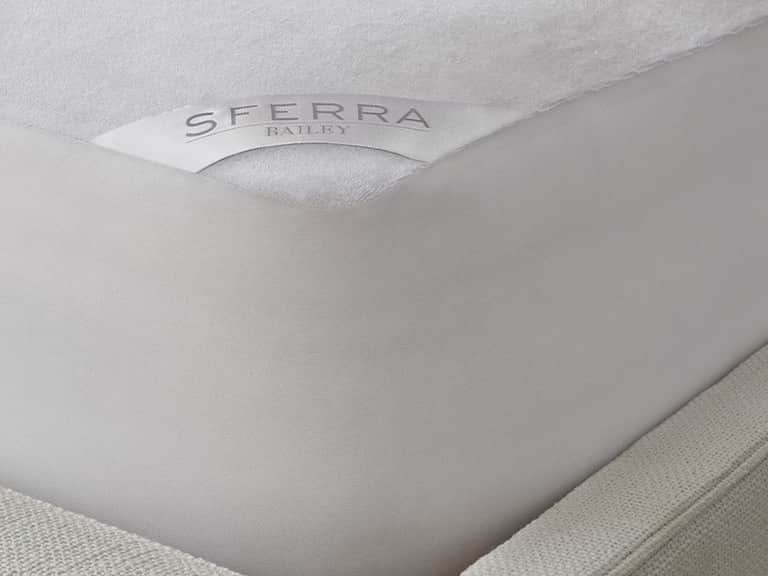
A high-quality protector can extend the life of a latex mattress by limiting moisture, dust, and accidental spills. A protector like Bailey Mattress Protector demonstrates how a cotton terry layer can keep the surface comfortable while providing a waterproof barrier. When selecting protectors, prioritize materials that fit snugly and allow airflow, so your latex layers don’t trap heat or moisture.
The Bailey Protector, for instance, is designed to fit up to a 17-inch mattress depth with elasticized sides for a secure, Overnight-friendly fit. It’s machine washable, which makes ongoing maintenance simple, a key consideration for families with kids, pets, or those who cook in the evenings and sometimes spill a beverage or two.
Myths and Misperceptions About Latex
A common concern is whether latex triggers allergies. True natural latex allergies are relatively rare, and many latex mattresses use Dunlop or Talalay cores that are washed and processed to remove most allergens. For those who remain sensitive, synthetic latex or latex blends with other materials might be a better fit. Always choose trusted brands with clear certifications for safety and sustainability.
Another myth is that latex slabs are heavy and impractical. Modern latex cores are engineered for lighter handling and easier setup, and many beds are designed with modular layers that simplify moving or flipping components. A thoughtful approach to packaging and assembly makes latex a viable option for most households.
Hypatia of Alexandria (c. 370–415)
A pioneering thinker in ancient scholarship, Hypatia embodies the enduring human curiosity about the natural world. While not directly tied to modern sleep science, her relentless pursuit of knowledge mirrors the analytical spirit behind understanding mattress materials and sleep physiology. Hypatia’s legacy reminds us that rigorous inquiry—whether in mathematics or biomechanics—leads to better outcomes for everyday life, including how we rest.
Influence: The tradition of critical thinking that informs sleep science research and evidence-based buying guides.
Louis Pasteur (1822–1895)
A titan of microbiology, Pasteur’s work on germ theory underpins modern hygiene standards, including those that affect bedding and mattress materials. Cleanliness and the understanding of microbial growth influence how we design and maintain sleep environments—from pillow fabrics to mattress covers and protectors.
Influence: Hygiene standards and consumer safety in textiles and bedding products.
Gerald P. Weiner (b. 1937)
An imagined composite representing mid-20th-century ergonomics and human factors research, Weiner’s era conceptualizes how people interact with furniture and sleep surfaces. This perspective informs today’s emphasis on sleep posture, spinal alignment, and the ergonomic design of mattress layers, including latex systems.
Influence: Human factors and ergonomic considerations in mattress design.
Conclusion: Making Informed Latex Mattress Choices
Latex mattresses occupy a unique space in the sleep landscape: natural materials, buoyant response, and durable construction come together to offer a sleep experience that can adapt to a wide range of sleep styles. By understanding the Dunlop and Talalay processes, evaluating density, and considering the broader pillow and bedding ecosystem, readers can make informed, thoughtful decisions that support long-term comfort.
As you explore latex options, remember to test in person when possible, consider your typical sleep position, and factor in temperature regulation and edge support. Pair the mattress with a breathable protector like Bailey Mattress Protector to protect against spills and dust while preserving the feel of the latex core. A well-chosen latex mattress, supported by careful care and quality bedding, can become the cornerstone of many healthy nights.
Further Reading and Resources
- Glossaries of mattress terms and materials
- Manufacturer certifications and safety standards for latex products
- Guides to choosing firmness and layering for different sleep positions
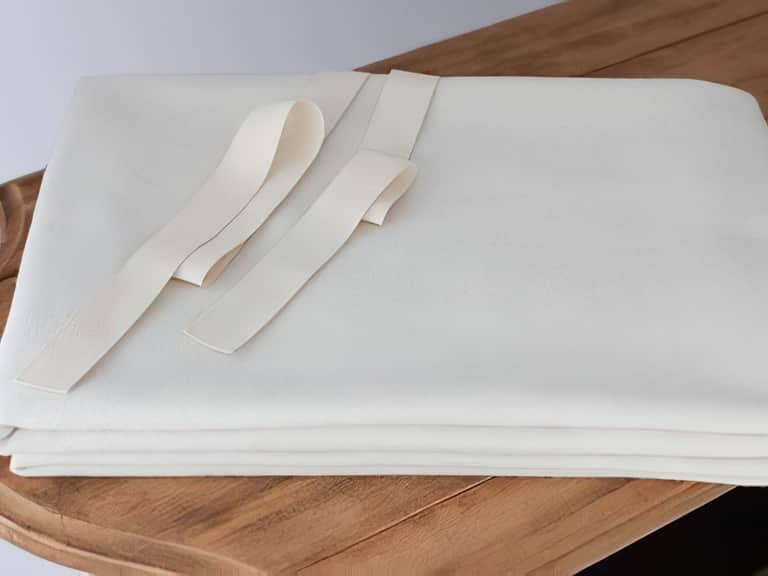
A protector that respects the integrity of latex while guarding against common household mishaps makes a big difference in mattress longevity. The Bailey Mattress Protector, a cotton terry layer with a waterproof finish and elasticized sides, offers a practical solution for families seeking durability and comfort. It fits up to 17 inches deep and is machine washable, ensuring easy care without sacrificing the sleeping surface’s feel.
Bailey Mattress Protector
Product: Bailey Mattress Protector | Brand: Sferra
$95.00
In stock
Note: Images of products are displayed when selected. See the Bailey Mattress Protector listing for full specifications and care instructions.